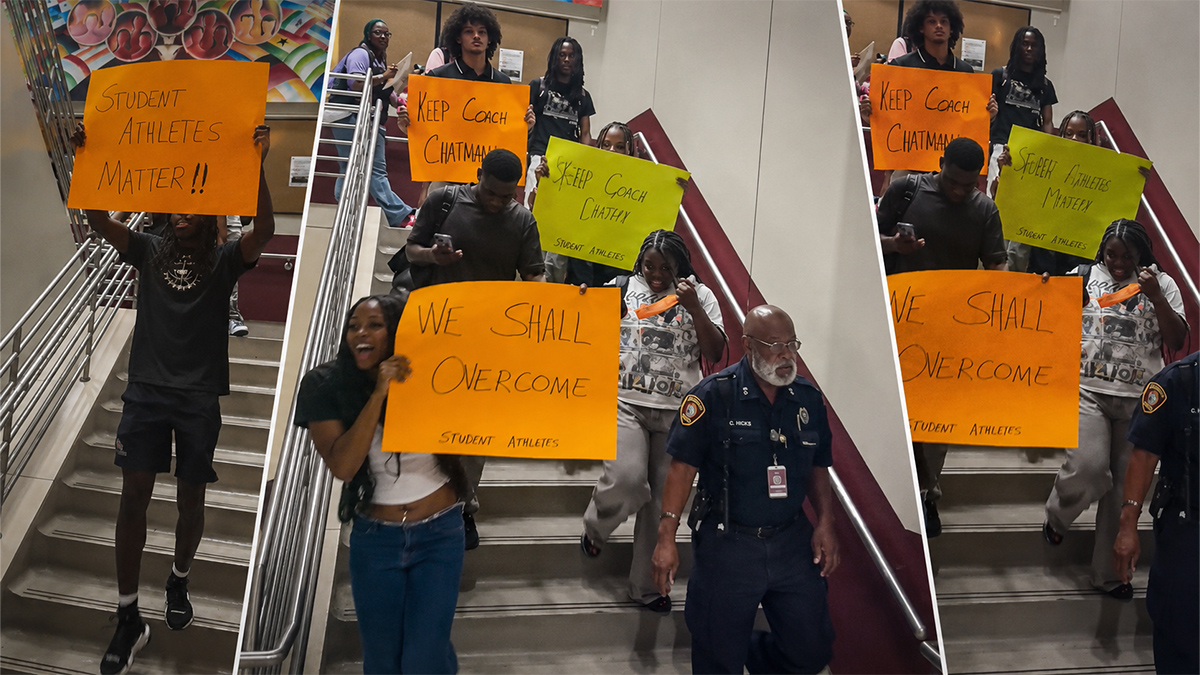
Texas Southern University's campus is in motion. Students and athletes have organized protests in advance of a board of regents meeting that will address the hiring of a new men's basketball coach, signaling deep concern about both the process itself and the future direction of the program.
The demonstrations reflect a broader pattern at HBCUs where athletic decisions—particularly high-profile coaching hires—carry weight beyond the court. Basketball programs are often central to campus identity and student life, and the way institutions handle these transitions can shape perceptions of institutional priorities and transparency.
While the specific details of the hiring process and the concerns driving the protests are not fully outlined in available reports, the fact that students and athletes have coordinated action ahead of a formal board meeting suggests the campus community feels their voices need to be heard before a decision is finalized. This kind of mobilization typically indicates that stakeholders believe they have not been adequately consulted or informed about the direction the university is taking with the program.
Texas Southern, a historically Black university in Houston with deep roots in Texas higher education, has a tradition of athletic pride. The men's basketball program carries significance for the institution and its community. When coaching changes occur, they affect not only the athletes who will play under new leadership but also the broader student body that follows the team and the alumni who maintain connections to the program.
The board of regents meeting represents a critical juncture. These formal governance moments are where institutional decisions become official, and they are often the last opportunity for campus voices to influence outcomes before announcements are made public. The timing of these protests—deliberately positioned before the regents convene—suggests students and athletes understand the importance of making their concerns visible at the moment of decision-making.
HBCU athletic programs operate within unique contexts. They serve as sources of pride, community gathering points, and pathways for student-athletes. When hiring processes lack transparency or when the campus community feels excluded from conversations about program direction, it can erode trust in institutional leadership and create friction between administration and students.
The coming board meeting will be a test of whether Texas Southern's leadership is willing to engage with student and athlete concerns or whether the decision will proceed as planned. Either outcome will send a message about how the university values input from the people most directly affected by coaching changes.
Why this matters: At HBCUs, athletic programs are woven into the fabric of campus culture and institutional identity. When students and athletes feel unheard in decisions about coaching hires, it reflects broader questions about shared governance and whether student voices matter in shaping their university experience. How Texas Southern responds to these protests will signal to its community whether administrative decisions are made with or without meaningful input from those most invested in the outcome.